Buy dümmer-see.com ?
We are moving the project
dümmer-see.com .
Are you interested in purchasing the domain
dümmer-see.com ?
domain@kv-gmbh.de · 0541-91531010
Buy dümmer-see.com ?
What does the archaeologist ask?
The archaeologist asks questions related to the past, such as how people lived, what they ate, what tools they used, and how they interacted with their environment. They also inquire about the significance of artifacts, structures, and other remains found at a site, seeking to understand the cultural, social, and economic aspects of ancient societies. Additionally, archaeologists may ask questions about the chronology of a site, trying to determine when specific events occurred and how they relate to broader historical contexts. **
Can you advance as an archaeologist?
Yes, you can advance as an archaeologist by gaining more experience, pursuing higher education such as a master's or doctoral degree in archaeology or a related field, specializing in a specific area of archaeology, and conducting research and publishing your findings. Advancement opportunities may also include taking on leadership roles in archaeological projects, working for prestigious institutions, and collaborating with other experts in the field. Continuous learning, networking, and staying updated on the latest developments in archaeology are key to advancing in this career. **

Similar search terms for Archaeologist
Top-Angebote
Products related to Archaeologist:
-
"""If You See Kay""" """If You See Kay 2020 Red Wine - California""""""Deep garnet color. Aromas of ripe fresh picked blueberries with hints of leather, clove and sage. Full bodied with black bramble fruit and star anise flavors. The wine is juicy and has big but supple tannic structure with long savory finish."""24,97 $*Shipping: 0,00 $Secure redirect to the provider
-
Scholastic Party Pack: Can You See What I See? 100 Fun FindsPerfect for gifting! These party packs feature some of our most loved titles. Includes eight copies of the same book.Can You See What I See? 100 Fun Finds Read-and-Seek Party Pack: Can You See What I See? 100 Fun Finds27,99 $*Shipping: 0,00 $Secure redirect to the provider
-
GreatGadgets LLC See Through Sun & Night Visor See Through Sun & Night VisorThe See Through Sun & Night Visor reduces the blinding glare from sunlight during the day as you're driving, while also helping to minimize the dangerous visual effects of the high beams that stream from oncoming headlights at night. You'll...24,97 $*Shipping: 0,00 $Secure redirect to the provider




-
Can one advance as an archaeologist?
Yes, one can advance as an archaeologist by gaining experience through fieldwork, research, and publications. Advancement opportunities can also come through pursuing higher education such as a master's or doctoral degree in archaeology or a related field. Building a strong network within the archaeological community, attending conferences, and collaborating with other professionals can also help in advancing one's career in archaeology. Additionally, seeking out leadership roles in archaeological projects or organizations can further contribute to career advancement in this field. **
-
What skills does an archaeologist need?
Archaeologists need a combination of technical skills, such as excavation techniques, artifact analysis, and mapping, as well as critical thinking and problem-solving skills to interpret findings. They also need strong research skills to analyze historical documents and data. Effective communication skills are essential for presenting findings to both academic audiences and the general public. Additionally, archaeologists need to be detail-oriented, patient, and have a passion for history and culture. **
-
How do I become an archaeologist?
To become an archaeologist, you typically need a bachelor's degree in archaeology or a related field such as anthropology, history, or classics. It is also beneficial to gain fieldwork experience through internships or volunteer opportunities. Some archaeologists pursue advanced degrees, such as a master's or Ph.D., to specialize in a particular area of archaeology. Networking with professionals in the field and staying current with developments in archaeology are also important steps in becoming a successful archaeologist. **
-
How does one become an archaeologist?
To become an archaeologist, one typically needs to earn a bachelor's degree in archaeology, anthropology, or a related field. Some positions may require a master's or doctoral degree, especially for research or academic roles. It is also important to gain field experience through internships, volunteer work, or field schools. Developing strong research, analytical, and communication skills is essential for success in this field. Additionally, networking with professionals in the field and staying updated on current archaeological methods and technologies can help advance a career in archaeology. **
Can one be a historian and archaeologist?
Yes, one can be a historian and an archaeologist. Historians study and interpret written records and documents to understand and analyze past events, while archaeologists study material remains such as artifacts, structures, and landscapes to reconstruct and understand past human cultures and societies. Both disciplines are complementary and often overlap in their research methods and goals, making it possible for individuals to be trained and work in both fields. This interdisciplinary approach can provide a more comprehensive understanding of the past. **
Is there a similar profession to archaeologist?
Yes, a similar profession to archaeologist is anthropologist. Both archaeologists and anthropologists study human societies and cultures, but archaeologists focus on studying past human societies through the analysis of material remains such as artifacts, structures, and environmental data, while anthropologists study human societies and cultures in a broader sense, including their social, cultural, biological, and linguistic aspects. Both professions require a strong understanding of human history and culture, as well as the ability to conduct research and analyze data. **
Top-Angebote
Products related to Archaeologist:
-
Universal Stock Smart Bird Feeder Camera HD WiFi Birdwatching Feeder With Night Vision Smart Bird Feeder Camera HD WiFi Birdwatching Feeder With Night VisionThis smart bird feeder camera lets you watch wild birds up close with 1080P HD video and a wide 170 viewing angle. Builtin night vision supports clear monitoring during both daytime and nighttime. The WiFi bird feeder camera supports remote viewing...119,97 $*Shipping: 0,00 $Secure redirect to the provider
-
"""If You See Kay""" """If You See Kay 2020 Red Wine - California""""""Deep garnet color. Aromas of ripe fresh picked blueberries with hints of leather, clove and sage. Full bodied with black bramble fruit and star anise flavors. The wine is juicy and has big but supple tannic structure with long savory finish."""24,97 $*Shipping: 0,00 $Secure redirect to the provider
-
Scholastic Party Pack: Can You See What I See? 100 Fun FindsPerfect for gifting! These party packs feature some of our most loved titles. Includes eight copies of the same book.Can You See What I See? 100 Fun Finds Read-and-Seek Party Pack: Can You See What I See? 100 Fun Finds27,99 $*Shipping: 0,00 $Secure redirect to the provider
-
What does the archaeologist ask?
The archaeologist asks questions related to the past, such as how people lived, what they ate, what tools they used, and how they interacted with their environment. They also inquire about the significance of artifacts, structures, and other remains found at a site, seeking to understand the cultural, social, and economic aspects of ancient societies. Additionally, archaeologists may ask questions about the chronology of a site, trying to determine when specific events occurred and how they relate to broader historical contexts. **
-
Can you advance as an archaeologist?
Yes, you can advance as an archaeologist by gaining more experience, pursuing higher education such as a master's or doctoral degree in archaeology or a related field, specializing in a specific area of archaeology, and conducting research and publishing your findings. Advancement opportunities may also include taking on leadership roles in archaeological projects, working for prestigious institutions, and collaborating with other experts in the field. Continuous learning, networking, and staying updated on the latest developments in archaeology are key to advancing in this career. **
-
Can one advance as an archaeologist?
Yes, one can advance as an archaeologist by gaining experience through fieldwork, research, and publications. Advancement opportunities can also come through pursuing higher education such as a master's or doctoral degree in archaeology or a related field. Building a strong network within the archaeological community, attending conferences, and collaborating with other professionals can also help in advancing one's career in archaeology. Additionally, seeking out leadership roles in archaeological projects or organizations can further contribute to career advancement in this field. **
-
What skills does an archaeologist need?
Archaeologists need a combination of technical skills, such as excavation techniques, artifact analysis, and mapping, as well as critical thinking and problem-solving skills to interpret findings. They also need strong research skills to analyze historical documents and data. Effective communication skills are essential for presenting findings to both academic audiences and the general public. Additionally, archaeologists need to be detail-oriented, patient, and have a passion for history and culture. **
Similar search terms for Archaeologist
-
GreatGadgets LLC See Through Sun & Night Visor See Through Sun & Night VisorThe See Through Sun & Night Visor reduces the blinding glare from sunlight during the day as you're driving, while also helping to minimize the dangerous visual effects of the high beams that stream from oncoming headlights at night. You'll...24,97 $*Shipping: 0,00 $Secure redirect to the provider
-
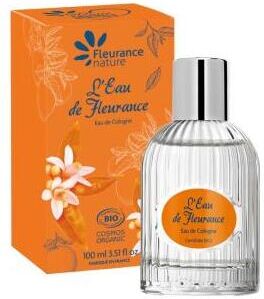
Fleurance Nature Cologne Water Spray 100 mlHealth and Beauty Colonies Fleurance Nature Cologne Water Spray 100 ml A natural and certified COSMOS ORGANIC mixed cologne. Fragrance around the Hesperides. Instructions for use: External use.\ After showering, spray on the neck and décolleté, on skin that is still damp, and let it air dry.18,76 £*Shipping: 3,99 £Secure redirect to the provider
-
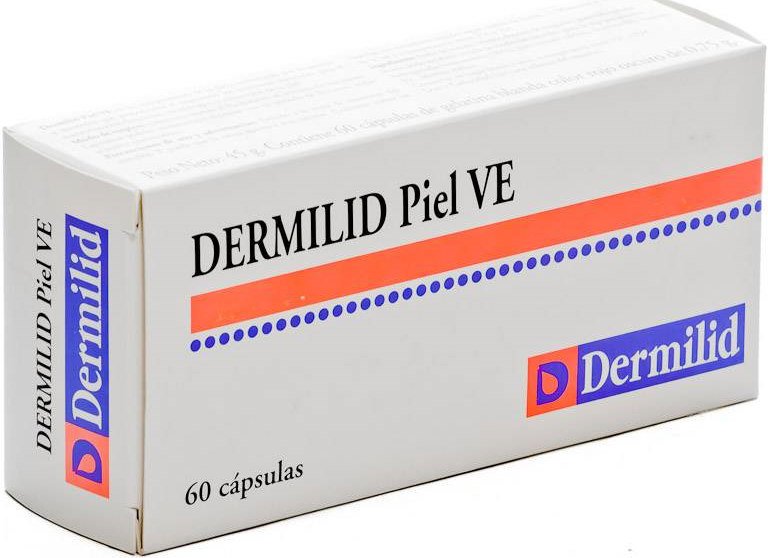
Dermilid Skin See 60 CapsulesNutrition and Supplements Vitamins and minerals Dermilid Skin See 60 Capsules Dermilid Skin Ve 60 Capsules Dermilid Piel Ve 60 Capsules is a nutritional supplement specially formulated for skin care, combining high-quality ingredients to promote healthier, more hydrated, and rejuvenated skin from within. This product is ideal for those looking to keep their skin in optimal condition, combating the signs of aging, dryness, and dullness. With an advanced formula that includes essential vitamins, minerals, and antioxidants, Dermilid Piel Ve becomes a key ally for daily skin care. Benefits of Dermilid Skin Ve 60 Capsules Improves skin health: Dermilid Piel Ve is designed to help keep skin hydrated, soft, and smooth, thanks to its combination of nutrients such as collagen, biotin, and antioxidants. Reduces signs of aging: Its formula rich in vitamins and antioxidants fights free radicals, helping to prevent premature aging and reduce the appearance of wrinkles and fine lines. Promotes brighter skin: Thanks to its ingredients such as vitamin C, this supplement helps improve skin tone and texture, giving it a more radiant appearance. Strengthens the skin barrier: Dermilid Piel Ve helps improve the skin's elasticity and resistance, helping to protect it against external aggressions such as pollution and sun exposure. Supports cell regeneration: The nutrients in Dermilid Piel Ve promote cell regeneration, promoting younger, healthier skin. Who is Dermilid Piel Ve for? Dermilid Piel Ve 60 Capsules is an ideal supplement for adults of any age looking to improve the health and appearance of their skin from within. It is especially beneficial for people with: Dry or dehydrated skin. Visible signs of aging (wrinkles, fine lines, sagging). Dull skin or lack of luminosity. Frequent exposure to the sun, pollution, or harmful environmental factors. How do you apply Dermilid Piel Ve 60 Capsules? Using Dermilid Piel Ve 60 Capsules is simple and practical. It is recommended to take one capsule daily, preferably with meals, to facilitate absorption and maximize its effects. Drink enough water throughout the day to improve skin hydration. It is important to be consistent with your intake to achieve the best results. Use of the Product To achieve the best results with Dermilid Piel Ve, it's essential to follow a skincare routine that complements the supplement. Make sure to: Use a gentle facial cleanser suitable for your skin type. Apply a moisturizer to keep the skin barrier strong. Use sunscreen every day to protect your skin from sun damage. Dermilid Piel Ve works from within, helping to optimize the effects of your external skincare routine. Buy Dermilid Skin Ve 60 Capsules If you're looking for an effective and easy-to-include supplement in your daily routine, Dermilid Piel Ve 60 Capsules is the perfect option for you. Don't wait any longer to improve the health and appearance of your skin. Buy Dermilid Piel Ve 60 Capsules now and start enjoying healthier, more...27,61 £*Shipping: 3,99 £Secure redirect to the provider
-
How do I become an archaeologist?
To become an archaeologist, you typically need a bachelor's degree in archaeology or a related field such as anthropology, history, or classics. It is also beneficial to gain fieldwork experience through internships or volunteer opportunities. Some archaeologists pursue advanced degrees, such as a master's or Ph.D., to specialize in a particular area of archaeology. Networking with professionals in the field and staying current with developments in archaeology are also important steps in becoming a successful archaeologist. **
-
How does one become an archaeologist?
To become an archaeologist, one typically needs to earn a bachelor's degree in archaeology, anthropology, or a related field. Some positions may require a master's or doctoral degree, especially for research or academic roles. It is also important to gain field experience through internships, volunteer work, or field schools. Developing strong research, analytical, and communication skills is essential for success in this field. Additionally, networking with professionals in the field and staying updated on current archaeological methods and technologies can help advance a career in archaeology. **
-
Can one be a historian and archaeologist?
Yes, one can be a historian and an archaeologist. Historians study and interpret written records and documents to understand and analyze past events, while archaeologists study material remains such as artifacts, structures, and landscapes to reconstruct and understand past human cultures and societies. Both disciplines are complementary and often overlap in their research methods and goals, making it possible for individuals to be trained and work in both fields. This interdisciplinary approach can provide a more comprehensive understanding of the past. **
-
Is there a similar profession to archaeologist?
Yes, a similar profession to archaeologist is anthropologist. Both archaeologists and anthropologists study human societies and cultures, but archaeologists focus on studying past human societies through the analysis of material remains such as artifacts, structures, and environmental data, while anthropologists study human societies and cultures in a broader sense, including their social, cultural, biological, and linguistic aspects. Both professions require a strong understanding of human history and culture, as well as the ability to conduct research and analyze data. **
* All prices are inclusive of VAT and, if applicable, plus shipping costs. The offer information is based on the details provided by the respective shop and is updated through automated processes. Real-time updates do not occur, so deviations can occur in individual cases. ** Note: Parts of this content were created by AI.