Buy dümmer-see.com ?
We are moving the project
dümmer-see.com .
Are you interested in purchasing the domain
dümmer-see.com ?
domain@kv-gmbh.de · 0541-91531010
Buy dümmer-see.com ?
What are covalent bonds?
Covalent bonds are a type of chemical bond formed between two atoms when they share one or more pairs of electrons. This sharing of electrons allows both atoms to achieve a more stable electron configuration, typically by filling their outermost energy levels. Covalent bonds are typically found in molecules and are responsible for holding the atoms together to form the structure of the molecule. These bonds can be either polar, where the shared electrons are not equally distributed between the atoms, or nonpolar, where the shared electrons are equally distributed. **
What is covalent development?
Covalent development is a term used in the context of software development to describe a collaborative approach to building and maintaining software. It involves multiple developers working together on the same codebase, using version control systems to manage changes and updates. Covalent development emphasizes communication, teamwork, and shared responsibility for the code, leading to a more efficient and cohesive development process. This approach allows for greater flexibility and adaptability in responding to changes and challenges in the development process. **


Similar search terms for Covalent
Top-Angebote
Products related to Covalent:
-
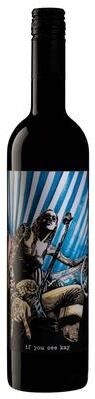
"""If You See Kay""" """If You See Kay 2020 Red Wine - California""""""Deep garnet color. Aromas of ripe fresh picked blueberries with hints of leather, clove and sage. Full bodied with black bramble fruit and star anise flavors. The wine is juicy and has big but supple tannic structure with long savory finish."""24,97 $*Shipping: 0,00 $Secure redirect to the provider
-
Scholastic Party Pack: Can You See What I See? 100 Fun FindsPerfect for gifting! These party packs feature some of our most loved titles. Includes eight copies of the same book.Can You See What I See? 100 Fun Finds Read-and-Seek Party Pack: Can You See What I See? 100 Fun Finds27,99 $*Shipping: 0,00 $Secure redirect to the provider
-
GreatGadgets LLC See Through Sun & Night Visor See Through Sun & Night VisorThe See Through Sun & Night Visor reduces the blinding glare from sunlight during the day as you're driving, while also helping to minimize the dangerous visual effects of the high beams that stream from oncoming headlights at night. You'll...24,97 $*Shipping: 0,00 $Secure redirect to the provider



-
Is water (H2O) a polar or nonpolar covalent bond?
Water (H2O) is a polar covalent bond. This is because the oxygen atom is more electronegative than the hydrogen atoms, causing the shared electrons to be pulled closer to the oxygen atom, creating a partial negative charge on the oxygen and partial positive charges on the hydrogen atoms. This unequal sharing of electrons results in a polar molecule. **
-
What is a covalent bond?
A covalent bond is a type of chemical bond that involves the sharing of electron pairs between atoms. This sharing of electrons allows each atom to achieve a more stable electron configuration, typically by filling their outermost energy level. Covalent bonds are typically found in molecules and are stronger than other types of chemical bonds, such as ionic bonds. The number of shared electrons can vary, leading to different types of covalent bonds, such as single, double, or triple bonds. **
-
What is a nonpolar covalent bond?
A nonpolar covalent bond is a type of chemical bond where two atoms share electrons equally. This occurs when the difference in electronegativity between the two atoms is very small or nonexistent. As a result, there is no separation of charge within the bond, making it nonpolar. Nonpolar covalent bonds are typically found between atoms of the same element or between atoms with similar electronegativities. **
-
What does "covalent" mean in chemistry?
In chemistry, "covalent" refers to a type of chemical bond that involves the sharing of electron pairs between atoms. This type of bond is formed between nonmetal atoms and is characterized by the atoms sharing electrons in order to achieve a stable electron configuration. Covalent bonds are typically strong and result in the formation of molecules. **

Is covalent bonding a difficult topic?
Covalent bonding can be a challenging topic for some students due to its abstract nature and the need to understand concepts such as electron sharing and molecular geometry. However, with proper explanation and practice, students can grasp the fundamentals of covalent bonding. It is important to break down the concepts into simpler parts and provide real-world examples to help students understand the concept better. With patience and practice, students can overcome the difficulties associated with covalent bonding. **
What is a non-covalent bond?
A non-covalent bond is a type of chemical bond that does not involve the sharing of electrons between atoms. Instead, non-covalent bonds are formed through electrostatic interactions, such as hydrogen bonding, van der Waals forces, and ion-dipole interactions. These bonds are generally weaker than covalent bonds and can be easily broken under certain conditions. **
Top-Angebote
Products related to Covalent:
-
Universal Stock Smart Bird Feeder Camera HD WiFi Birdwatching Feeder With Night Vision Smart Bird Feeder Camera HD WiFi Birdwatching Feeder With Night VisionThis smart bird feeder camera lets you watch wild birds up close with 1080P HD video and a wide 170 viewing angle. Builtin night vision supports clear monitoring during both daytime and nighttime. The WiFi bird feeder camera supports remote viewing...119,97 $*Shipping: 0,00 $Secure redirect to the provider
-
"""If You See Kay""" """If You See Kay 2020 Red Wine - California""""""Deep garnet color. Aromas of ripe fresh picked blueberries with hints of leather, clove and sage. Full bodied with black bramble fruit and star anise flavors. The wine is juicy and has big but supple tannic structure with long savory finish."""24,97 $*Shipping: 0,00 $Secure redirect to the provider
-
Scholastic Party Pack: Can You See What I See? 100 Fun FindsPerfect for gifting! These party packs feature some of our most loved titles. Includes eight copies of the same book.Can You See What I See? 100 Fun Finds Read-and-Seek Party Pack: Can You See What I See? 100 Fun Finds27,99 $*Shipping: 0,00 $Secure redirect to the provider
-
What are covalent bonds?
Covalent bonds are a type of chemical bond formed between two atoms when they share one or more pairs of electrons. This sharing of electrons allows both atoms to achieve a more stable electron configuration, typically by filling their outermost energy levels. Covalent bonds are typically found in molecules and are responsible for holding the atoms together to form the structure of the molecule. These bonds can be either polar, where the shared electrons are not equally distributed between the atoms, or nonpolar, where the shared electrons are equally distributed. **
-
What is covalent development?
Covalent development is a term used in the context of software development to describe a collaborative approach to building and maintaining software. It involves multiple developers working together on the same codebase, using version control systems to manage changes and updates. Covalent development emphasizes communication, teamwork, and shared responsibility for the code, leading to a more efficient and cohesive development process. This approach allows for greater flexibility and adaptability in responding to changes and challenges in the development process. **
-
Is water (H2O) a polar or nonpolar covalent bond?
Water (H2O) is a polar covalent bond. This is because the oxygen atom is more electronegative than the hydrogen atoms, causing the shared electrons to be pulled closer to the oxygen atom, creating a partial negative charge on the oxygen and partial positive charges on the hydrogen atoms. This unequal sharing of electrons results in a polar molecule. **
-
What is a covalent bond?
A covalent bond is a type of chemical bond that involves the sharing of electron pairs between atoms. This sharing of electrons allows each atom to achieve a more stable electron configuration, typically by filling their outermost energy level. Covalent bonds are typically found in molecules and are stronger than other types of chemical bonds, such as ionic bonds. The number of shared electrons can vary, leading to different types of covalent bonds, such as single, double, or triple bonds. **
Similar search terms for Covalent
-
GreatGadgets LLC See Through Sun & Night Visor See Through Sun & Night VisorThe See Through Sun & Night Visor reduces the blinding glare from sunlight during the day as you're driving, while also helping to minimize the dangerous visual effects of the high beams that stream from oncoming headlights at night. You'll...24,97 $*Shipping: 0,00 $Secure redirect to the provider
-
Fleurance Nature Cologne Water Spray 100 mlHealth and Beauty Colonies Fleurance Nature Cologne Water Spray 100 ml A natural and certified COSMOS ORGANIC mixed cologne. Fragrance around the Hesperides. Instructions for use: External use.\ After showering, spray on the neck and décolleté, on skin that is still damp, and let it air dry.18,76 £*Shipping: 3,99 £Secure redirect to the provider
-
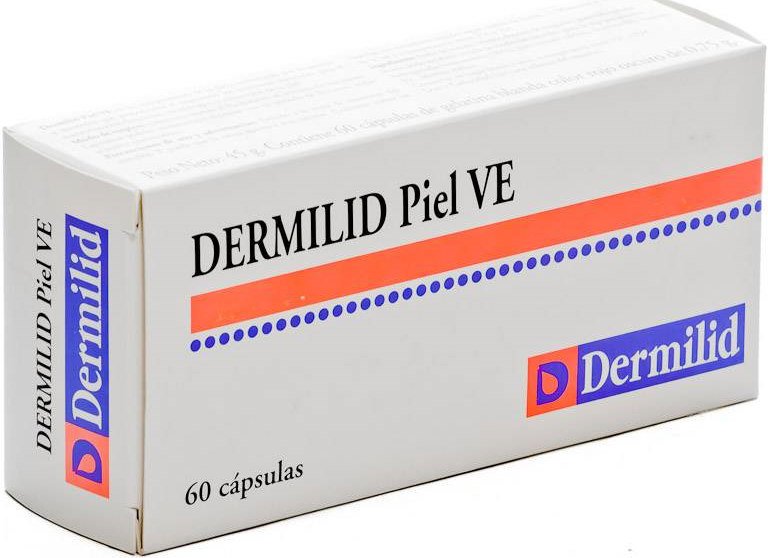
Dermilid Skin See 60 CapsulesNutrition and Supplements Vitamins and minerals Dermilid Skin See 60 Capsules Dermilid Skin Ve 60 Capsules Dermilid Piel Ve 60 Capsules is a nutritional supplement specially formulated for skin care, combining high-quality ingredients to promote healthier, more hydrated, and rejuvenated skin from within. This product is ideal for those looking to keep their skin in optimal condition, combating the signs of aging, dryness, and dullness. With an advanced formula that includes essential vitamins, minerals, and antioxidants, Dermilid Piel Ve becomes a key ally for daily skin care. Benefits of Dermilid Skin Ve 60 Capsules Improves skin health: Dermilid Piel Ve is designed to help keep skin hydrated, soft, and smooth, thanks to its combination of nutrients such as collagen, biotin, and antioxidants. Reduces signs of aging: Its formula rich in vitamins and antioxidants fights free radicals, helping to prevent premature aging and reduce the appearance of wrinkles and fine lines. Promotes brighter skin: Thanks to its ingredients such as vitamin C, this supplement helps improve skin tone and texture, giving it a more radiant appearance. Strengthens the skin barrier: Dermilid Piel Ve helps improve the skin's elasticity and resistance, helping to protect it against external aggressions such as pollution and sun exposure. Supports cell regeneration: The nutrients in Dermilid Piel Ve promote cell regeneration, promoting younger, healthier skin. Who is Dermilid Piel Ve for? Dermilid Piel Ve 60 Capsules is an ideal supplement for adults of any age looking to improve the health and appearance of their skin from within. It is especially beneficial for people with: Dry or dehydrated skin. Visible signs of aging (wrinkles, fine lines, sagging). Dull skin or lack of luminosity. Frequent exposure to the sun, pollution, or harmful environmental factors. How do you apply Dermilid Piel Ve 60 Capsules? Using Dermilid Piel Ve 60 Capsules is simple and practical. It is recommended to take one capsule daily, preferably with meals, to facilitate absorption and maximize its effects. Drink enough water throughout the day to improve skin hydration. It is important to be consistent with your intake to achieve the best results. Use of the Product To achieve the best results with Dermilid Piel Ve, it's essential to follow a skincare routine that complements the supplement. Make sure to: Use a gentle facial cleanser suitable for your skin type. Apply a moisturizer to keep the skin barrier strong. Use sunscreen every day to protect your skin from sun damage. Dermilid Piel Ve works from within, helping to optimize the effects of your external skincare routine. Buy Dermilid Skin Ve 60 Capsules If you're looking for an effective and easy-to-include supplement in your daily routine, Dermilid Piel Ve 60 Capsules is the perfect option for you. Don't wait any longer to improve the health and appearance of your skin. Buy Dermilid Piel Ve 60 Capsules now and start enjoying healthier, more...27,61 £*Shipping: 3,99 £Secure redirect to the provider
-
What is a nonpolar covalent bond?
A nonpolar covalent bond is a type of chemical bond where two atoms share electrons equally. This occurs when the difference in electronegativity between the two atoms is very small or nonexistent. As a result, there is no separation of charge within the bond, making it nonpolar. Nonpolar covalent bonds are typically found between atoms of the same element or between atoms with similar electronegativities. **
-
What does "covalent" mean in chemistry?
In chemistry, "covalent" refers to a type of chemical bond that involves the sharing of electron pairs between atoms. This type of bond is formed between nonmetal atoms and is characterized by the atoms sharing electrons in order to achieve a stable electron configuration. Covalent bonds are typically strong and result in the formation of molecules. **
-
Is covalent bonding a difficult topic?
Covalent bonding can be a challenging topic for some students due to its abstract nature and the need to understand concepts such as electron sharing and molecular geometry. However, with proper explanation and practice, students can grasp the fundamentals of covalent bonding. It is important to break down the concepts into simpler parts and provide real-world examples to help students understand the concept better. With patience and practice, students can overcome the difficulties associated with covalent bonding. **
-
What is a non-covalent bond?
A non-covalent bond is a type of chemical bond that does not involve the sharing of electrons between atoms. Instead, non-covalent bonds are formed through electrostatic interactions, such as hydrogen bonding, van der Waals forces, and ion-dipole interactions. These bonds are generally weaker than covalent bonds and can be easily broken under certain conditions. **
* All prices are inclusive of VAT and, if applicable, plus shipping costs. The offer information is based on the details provided by the respective shop and is updated through automated processes. Real-time updates do not occur, so deviations can occur in individual cases. ** Note: Parts of this content were created by AI.