Buy dümmer-see.com ?
We are moving the project
dümmer-see.com .
Are you interested in purchasing the domain
dümmer-see.com ?
domain@kv-gmbh.de · 0541-91531010
Buy dümmer-see.com ?
How is parking regulated at Lake Dümmer?
Parking at Lake Dümmer is regulated through designated parking areas and parking regulations enforced by local authorities. There are specific parking lots and areas designated for visitors to park their vehicles, and parking is not allowed in certain areas to protect the natural environment. Additionally, there may be time limits or fees associated with parking in certain areas around the lake. Visitors are encouraged to follow the parking regulations to ensure the safety and preservation of the area. **
How can one park at Lake Dümmer?
At Lake Dümmer, there are designated parking areas for visitors. These parking areas are located near the lake and provide easy access to the recreational areas. Visitors can park their vehicles in these designated parking areas and then explore the lake and its surroundings on foot or by bike. It's important to follow the parking regulations and signs to ensure a safe and enjoyable experience for everyone. **

Similar search terms for Radiator
Top-Angebote
Products related to Radiator:



-
Which radiator heats better: a flat panel radiator or a ribbed radiator?
A ribbed radiator typically heats better than a flat panel radiator. The ribbed design increases the surface area of the radiator, allowing for more efficient heat transfer. This means that a ribbed radiator can heat a room more quickly and effectively than a flat panel radiator. Additionally, the ribbed design allows for better circulation of air, further enhancing its heating capabilities. **
-
What is a water cooling radiator cooler?
A water cooling radiator cooler is a component of a liquid cooling system for a computer or other electronic device. It is designed to dissipate heat from the liquid coolant that has absorbed heat from the device's components. The radiator cooler typically consists of a series of metal fins and tubes through which the liquid coolant flows, allowing the heat to be transferred to the surrounding air. This helps to keep the electronic components running at optimal temperatures, improving performance and potentially extending the lifespan of the device. **
-
How much water does a panel radiator contain?
A panel radiator typically contains around 0.5 to 1 liter of water per section. The exact amount of water can vary depending on the size and design of the radiator. It is important to ensure that the radiator is filled with the correct amount of water to ensure efficient heating performance. **
-
How do I paint a water cooling radiator?
To paint a water cooling radiator, you will first need to disassemble it completely to ensure that no paint gets on any important components. Next, you will need to clean the radiator thoroughly to remove any dust, dirt, or grease that may prevent the paint from adhering properly. Once the radiator is clean and dry, you can apply a primer specifically designed for metal surfaces to help the paint adhere better. Finally, you can paint the radiator with a high-quality spray paint in the color of your choice, making sure to apply thin, even coats and allowing each coat to dry completely before applying the next one. **

How do you drain water from a radiator?
To drain water from a radiator, first, make sure the radiator is completely cool. Locate the drain valve at the bottom of the radiator and place a bucket or container underneath to catch the water. Use a wrench to slowly open the valve and allow the water to drain out completely. Once all the water has been drained, close the valve securely and refill the radiator with fresh water or coolant as needed. **
Does gas or water flow through a radiator?
Water flows through a radiator. In a typical heating system, hot water from a boiler is pumped through the radiator, where it releases heat into the room. The radiator then returns the cooler water back to the boiler to be reheated and circulated again. Gas is used to heat the water in the boiler, but it does not flow through the radiator itself. **
Top-Angebote
Products related to Radiator:
-
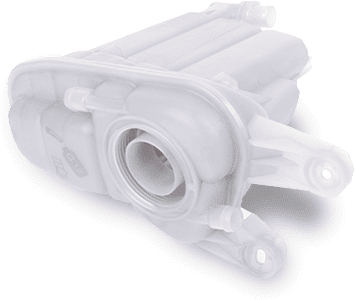
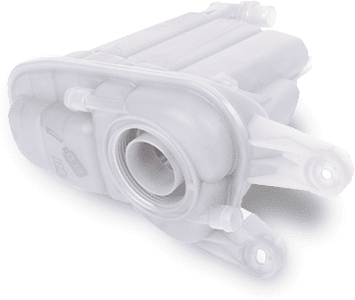
STC T403643 Water Tank, radiatorWeight [kg]: 0,69; Weight [g]: 690; Additionally required article (article number): 03548; Production number from: OPR 05806; Left-/right-hand drive vehicles: for left-hand drive vehicles; Production number to: OPR 0913028,49 £*Shipping: 8,45 £Secure redirect to the provider
-
How is parking regulated at Lake Dümmer?
Parking at Lake Dümmer is regulated through designated parking areas and parking regulations enforced by local authorities. There are specific parking lots and areas designated for visitors to park their vehicles, and parking is not allowed in certain areas to protect the natural environment. Additionally, there may be time limits or fees associated with parking in certain areas around the lake. Visitors are encouraged to follow the parking regulations to ensure the safety and preservation of the area. **
-
How can one park at Lake Dümmer?
At Lake Dümmer, there are designated parking areas for visitors. These parking areas are located near the lake and provide easy access to the recreational areas. Visitors can park their vehicles in these designated parking areas and then explore the lake and its surroundings on foot or by bike. It's important to follow the parking regulations and signs to ensure a safe and enjoyable experience for everyone. **
-
Which radiator heats better: a flat panel radiator or a ribbed radiator?
A ribbed radiator typically heats better than a flat panel radiator. The ribbed design increases the surface area of the radiator, allowing for more efficient heat transfer. This means that a ribbed radiator can heat a room more quickly and effectively than a flat panel radiator. Additionally, the ribbed design allows for better circulation of air, further enhancing its heating capabilities. **
-
What is a water cooling radiator cooler?
A water cooling radiator cooler is a component of a liquid cooling system for a computer or other electronic device. It is designed to dissipate heat from the liquid coolant that has absorbed heat from the device's components. The radiator cooler typically consists of a series of metal fins and tubes through which the liquid coolant flows, allowing the heat to be transferred to the surrounding air. This helps to keep the electronic components running at optimal temperatures, improving performance and potentially extending the lifespan of the device. **
Similar search terms for Radiator
-
How much water does a panel radiator contain?
A panel radiator typically contains around 0.5 to 1 liter of water per section. The exact amount of water can vary depending on the size and design of the radiator. It is important to ensure that the radiator is filled with the correct amount of water to ensure efficient heating performance. **
-
How do I paint a water cooling radiator?
To paint a water cooling radiator, you will first need to disassemble it completely to ensure that no paint gets on any important components. Next, you will need to clean the radiator thoroughly to remove any dust, dirt, or grease that may prevent the paint from adhering properly. Once the radiator is clean and dry, you can apply a primer specifically designed for metal surfaces to help the paint adhere better. Finally, you can paint the radiator with a high-quality spray paint in the color of your choice, making sure to apply thin, even coats and allowing each coat to dry completely before applying the next one. **
-
How do you drain water from a radiator?
To drain water from a radiator, first, make sure the radiator is completely cool. Locate the drain valve at the bottom of the radiator and place a bucket or container underneath to catch the water. Use a wrench to slowly open the valve and allow the water to drain out completely. Once all the water has been drained, close the valve securely and refill the radiator with fresh water or coolant as needed. **
-
Does gas or water flow through a radiator?
Water flows through a radiator. In a typical heating system, hot water from a boiler is pumped through the radiator, where it releases heat into the room. The radiator then returns the cooler water back to the boiler to be reheated and circulated again. Gas is used to heat the water in the boiler, but it does not flow through the radiator itself. **
* All prices are inclusive of VAT and, if applicable, plus shipping costs. The offer information is based on the details provided by the respective shop and is updated through automated processes. Real-time updates do not occur, so deviations can occur in individual cases. ** Note: Parts of this content were created by AI.